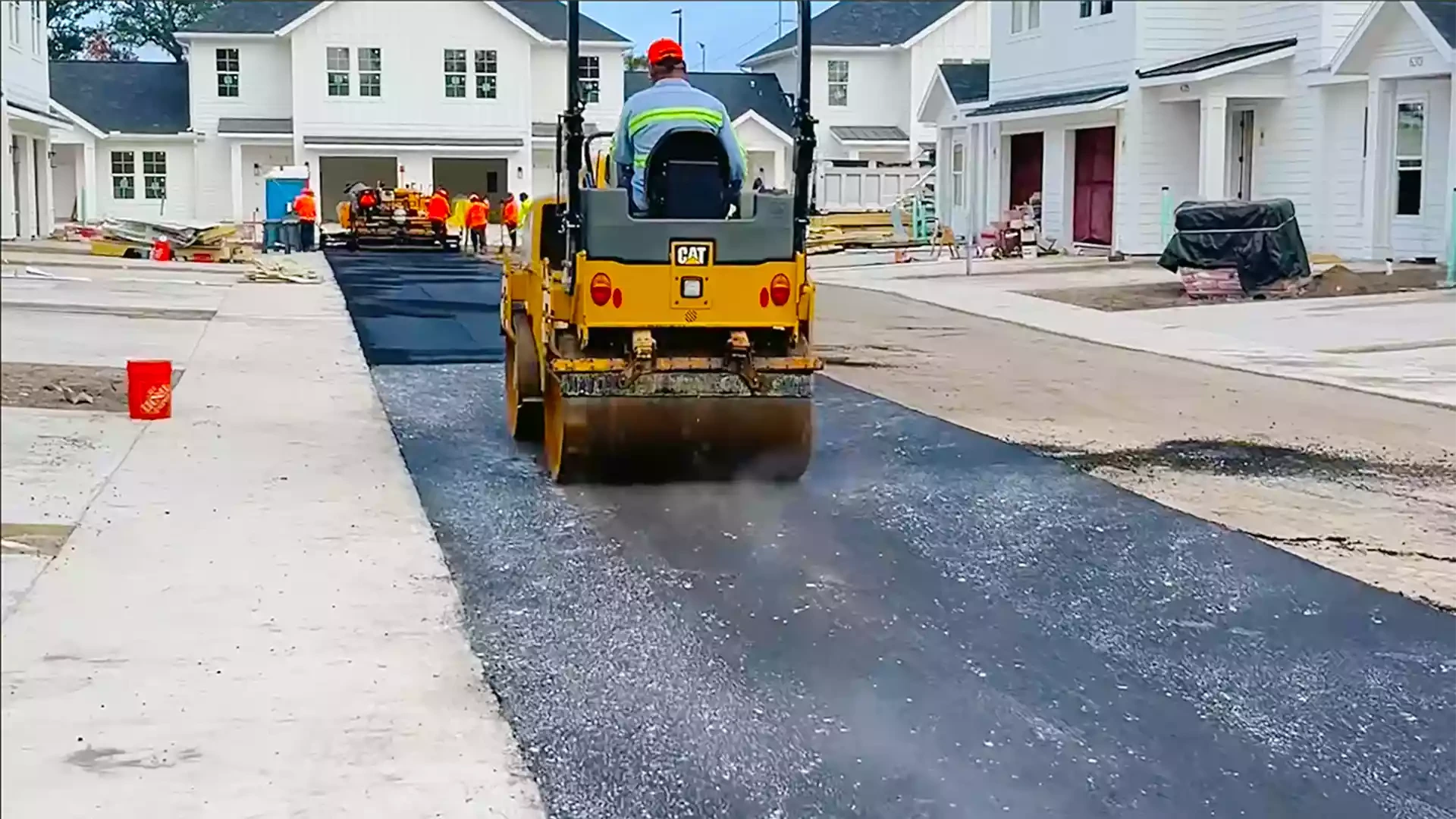
After asphalt paving: what property managers should review before reopening the area
After asphalt paving, property managers should review access, safety, drainage, transitions, striping needs, and reopening guidance before normal use resumes.
Admin
Jun 26, 2026 · 3 min read
Once new asphalt is placed and compacted, it can be tempting to think the project is over. But for property managers, HOA boards, contractors, and commercial stakeholders, the final step is making sure the area is ready for people to use again.
After asphalt paving, property teams should review access, safety, drainage, transitions, striping needs, communication, and any reopening guidance from the contractor.
This checklist explains what to think through before normal use resumes on a Central Florida property.
The project is not finished the moment the equipment leaves
Paving crews may complete the asphalt work, but the property still needs a transition back to normal operation.
That may involve:
Reopening drive lanes or parking areas.
Communicating with residents, tenants, customers, or staff.
Confirming whether heavy vehicles should wait.
Planning striping or signage.
Reviewing transitions and drainage areas.
Keeping records of what was completed.
This follow-through helps the property team avoid confusion after the work is done.
Confirm reopening guidance for the paved area
Before allowing normal use, ask the paving contractor for project-specific reopening guidance.
Useful questions include:
When can passenger vehicles return?
Should heavier vehicles wait longer?
Are any areas still restricted?
Are there edges, tie-ins, or transitions that need special attention?
Is striping or signage still pending?
Who should be contacted if a question comes up?
Avoid assuming every area is ready for every type of use immediately. Follow the guidance for the specific project.
Review access, parking, and traffic flow
Once the paving work is complete, make sure the property can move back into a clear traffic pattern.
Review:
Entrances and exits.
Drive lanes.
Parking areas.
Loading zones.
Resident or tenant access.
Vendor and delivery routes.
Pedestrian movement.
If access was phased during the project, communicate which areas are open and which areas still need to be avoided.
Check transitions, edges, and drainage areas
After paving, review the areas where new asphalt meets existing surfaces.
Pay attention to:
Curbs.
Sidewalks.
Entrances.
Drainage structures.
Existing pavement.
Concrete areas.
Driveway or road transitions.
Also review areas where water has historically collected. Drainage should be part of the project conversation before paving, but the post-paving review is a useful time to note what the property team should continue monitoring.
Coordinate striping, signage, and follow-up work
Some paving projects require additional steps before the site feels complete.
Depending on the property, follow-up work may include:
Parking lot striping.
Directional markings.
Signage.
Curb or traffic markings.
Final cleanup.
Communication to property users.
These details matter for safety, navigation, parking organization, and the overall experience of the property.
Communicate final instructions to property users
Residents, tenants, customers, staff, vendors, and other site users may need one final update after paving.
That update can include:
Which areas are open.
Which areas should still be avoided.
Parking instructions.
Any remaining work such as striping.
Who to contact with questions.
Clear communication helps close the project well.
Keep project notes for future maintenance
After the project, keep records that future decision-makers can use.
Helpful notes include:
Date of paving.
Areas paved.
Areas milled or repaired before paving.
Photos before and after.
Drainage or transition notes.
Reopening guidance.
Contractor contact information.
Any follow-up recommendations.
These records can help future property managers, HOA boards, contractors, or maintenance teams understand the work that was completed.
Talk to Blacktop about planning your next paving project
Blacktop provides asphalt paving and milling services for commercial properties, HOA communities, roads, parking lots, and infrastructure projects in Central Florida.
The right paving project includes more than the day asphalt is placed. It includes planning before crews arrive, professional execution during the work, and clear guidance after the surface is complete.
Ready to start your next paving project? Our team of experts is ready to provide a reliable and affordable solution for all your milling and paving needs.
Contact Blacktop to discuss your next asphalt paving or milling project.