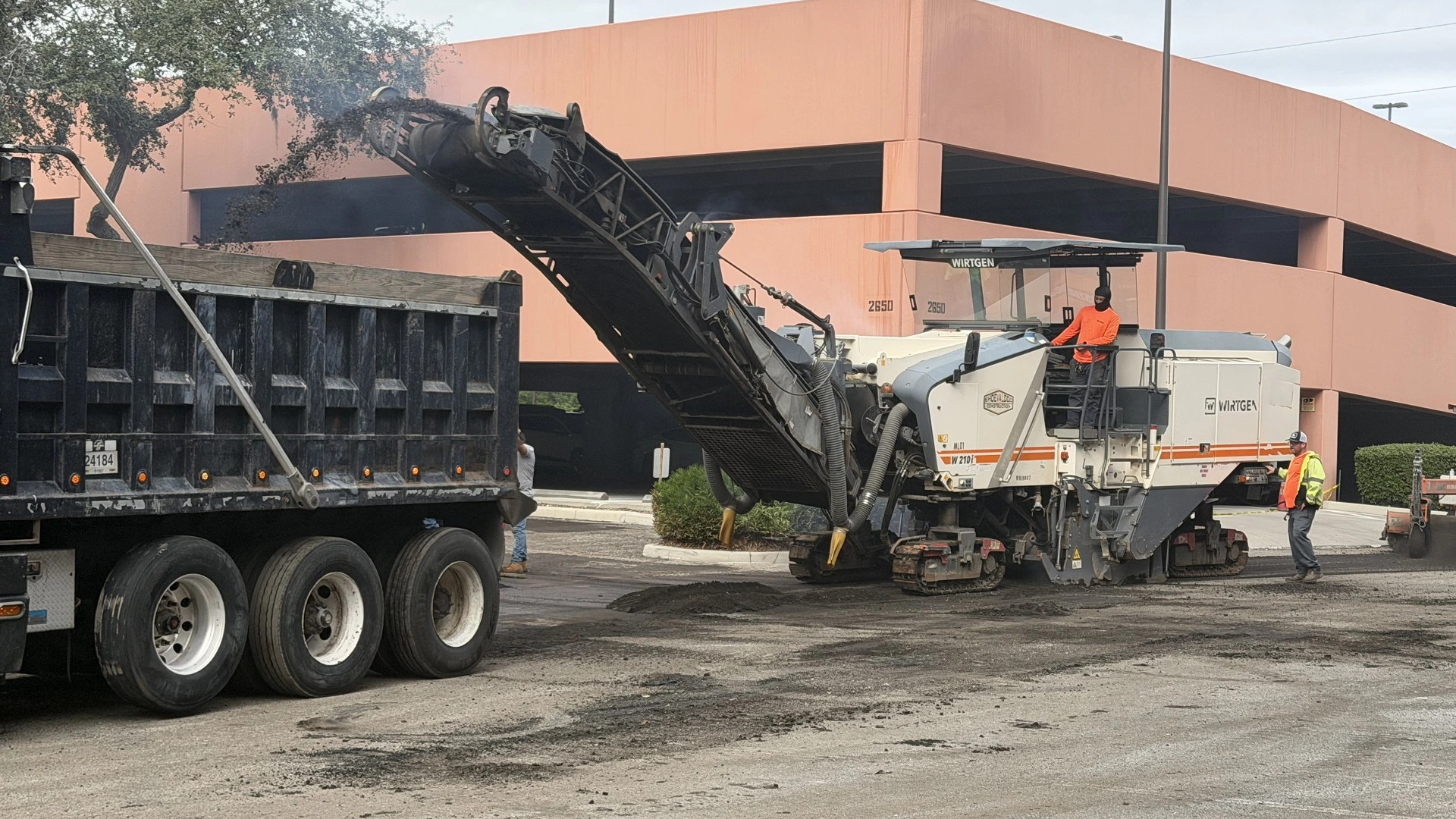
Best Practices in Milling and Paving for Safe Surfaces
Learn best practices in milling and paving to create safe, durable surfaces that improve performance, longevity, and safety standards.
Blacktop
Dec 23, 2025 · 5 min read
A smooth asphalt surface may look simple from the outside, but what truly determines its safety and durability happens long before the final layer is laid. The difference between a surface that lasts years and one that fails prematurely often comes down to following the right milling and paving practices from the start. If you manage, own, or maintain property in Central Florida, understanding these best practices can help you make better decisions and protect your investment.
Why Proper Milling and Paving Matter for Safety
Safe surfaces are not only about appearance. Poorly executed milling or paving can lead to uneven grades, water pooling, premature cracking, and hazards for vehicles and pedestrians. In high-traffic areas such as parking lots, roadways, commercial entrances, and industrial facilities, these issues can quickly turn into liability risks.
Following proven milling and paving practices ensures:
Consistent surface levels
Proper drainage
Strong asphalt bonding
Long-term performance under Florida’s climate conditions
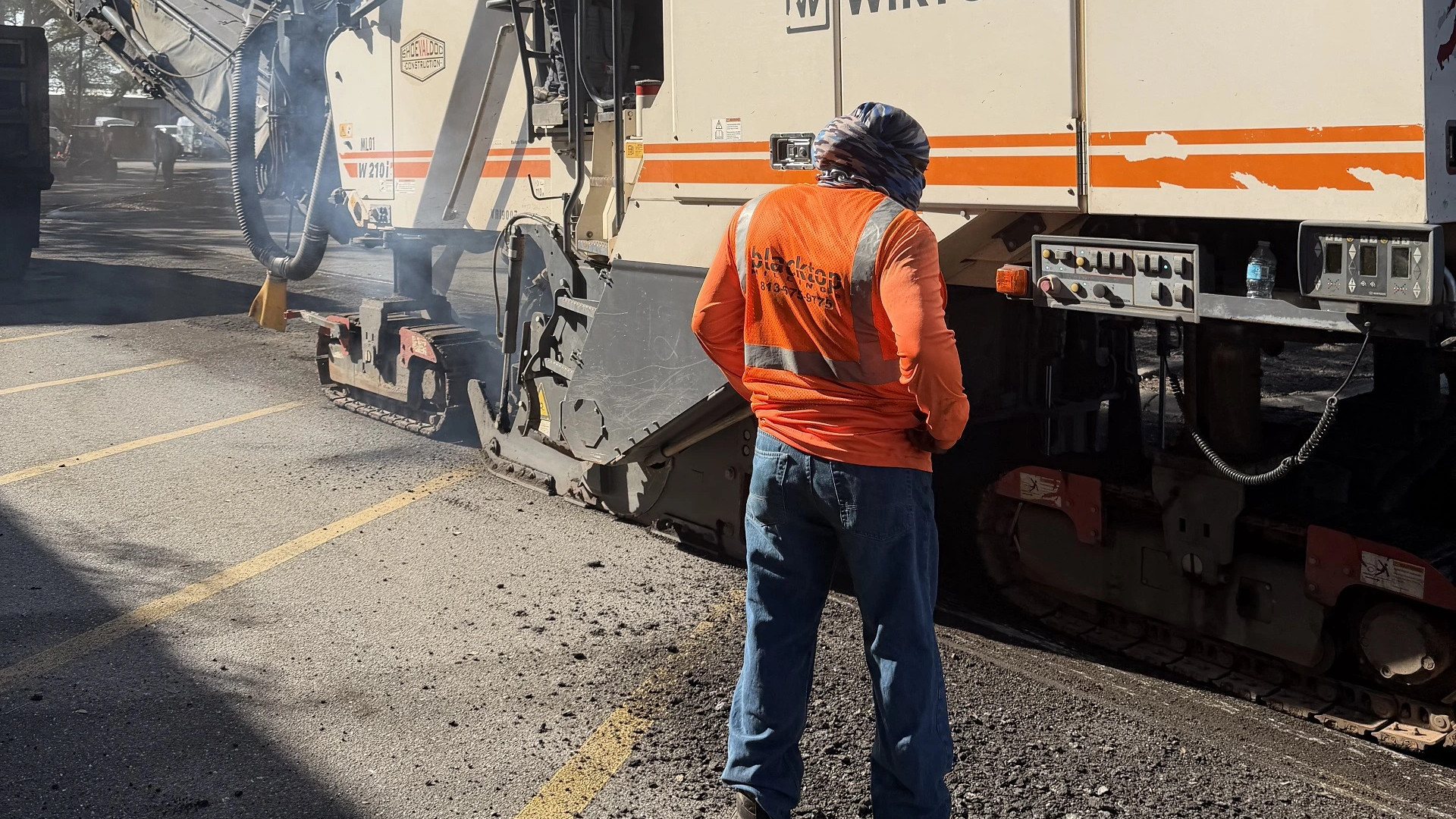
Asphalt Milling: The Foundation of a Reliable Surface
Milling is the controlled removal of existing asphalt to prepare a stable base for new pavement. When done correctly, it improves both safety and longevity.
Precision and Surface Control
Accurate milling depth is critical. Removing too little can leave weak layers behind, while removing too much may compromise the structural base. Professional milling ensures:
Uniform thickness across the surface
Elimination of surface defects and ruts
A clean profile for new asphalt adhesion
Proper Debris Removal and Site Preparation
After milling, the surface must be thoroughly cleaned. Loose material left behind can weaken bonding and cause early failures. A clean, properly prepared surface allows the new asphalt to perform as intended.
Best Practices in Asphalt Paving
Paving is where safety, performance, and finish come together. Even high-quality asphalt materials can fail if installation standards are not followed.
Quality Materials and Correct Asphalt Mix
Using the appropriate asphalt mix for the project is essential. Traffic volume, load weight, and environmental exposure all influence which mix performs best. The right materials improve skid resistance and reduce cracking over time.
Proper Compaction and Layer Thickness
Compaction is one of the most important steps in paving. Inadequate compaction can lead to air voids, water infiltration, and surface deformation. Best practices include:
Consistent compaction across all areas
Proper layer thickness for expected traffic loads
Smooth transitions at edges and joints
Drainage and Surface Slope
Standing water is one of the biggest threats to asphalt safety and durability. Proper grading and slope design help water flow away from the surface, reducing slip hazards and structural damage.
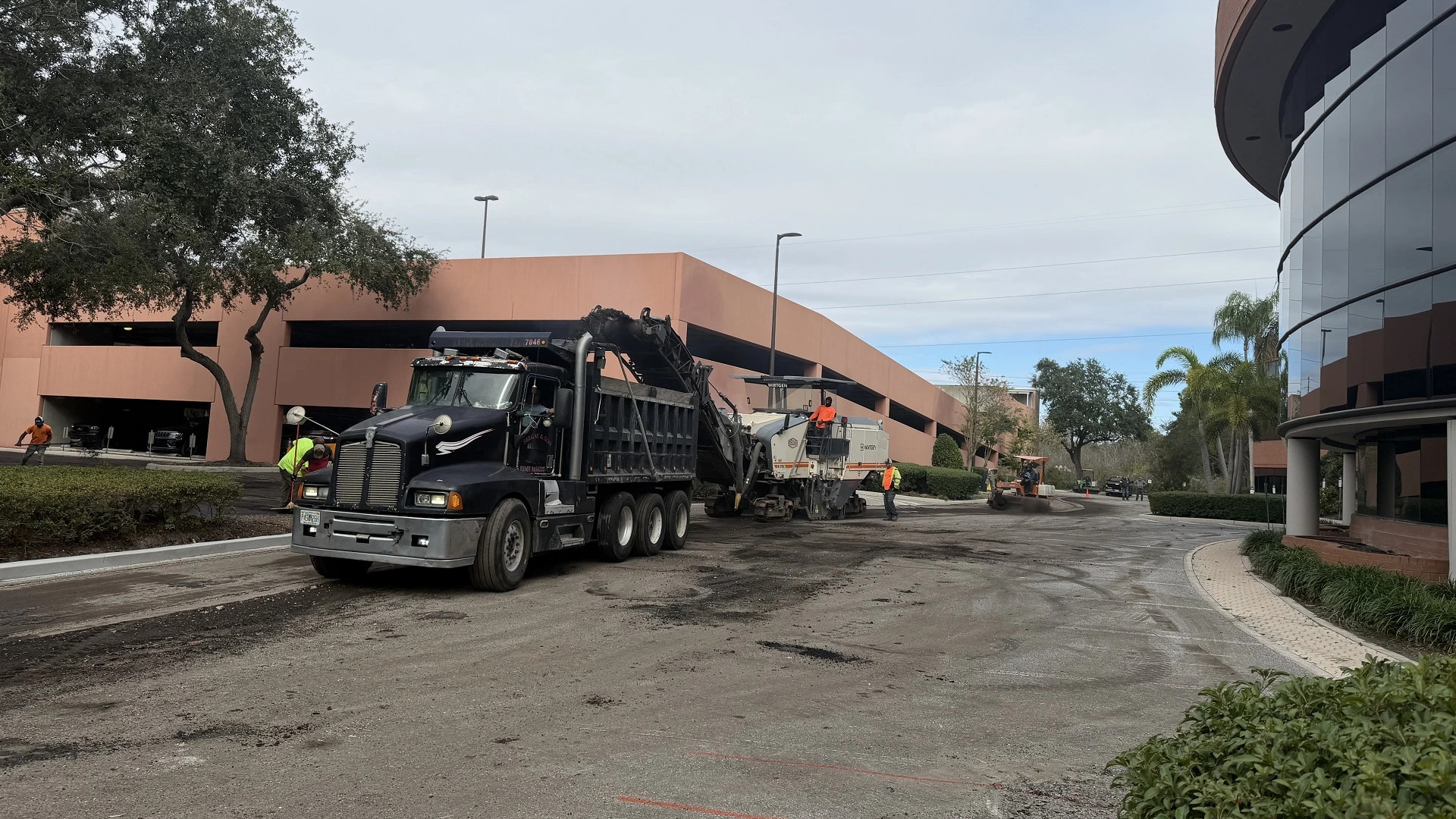
Climate Considerations in Central Florida
Florida’s heat, heavy rainfall, and humidity place additional stress on asphalt surfaces. Milling and paving must account for:
Thermal expansion and contraction
Moisture resistance
Rapid weather changes during installation
Experienced contractors understand how to schedule, prepare, and execute projects to perform well under these conditions.
Long-Term Safety Through Maintenance
Even the best-installed surfaces benefit from routine inspections and maintenance. Early detection of minor issues such as cracks or drainage problems can prevent costly repairs and keep surfaces safe for daily use.
Working With Experienced Asphalt Professionals
Successful milling and paving projects require more than equipment—they require experience, planning, and attention to detail. Choosing a contractor with proven expertise in Central Florida ensures that safety, performance, and compliance are addressed from start to finish.
With more than a decade of experience, Blacktop Florida provides asphalt milling and paving services designed to meet the real demands of commercial, industrial, and roadway projects across the region.
Stay Informed and Get Expert Support
We invite you to follow our blog, where we share weekly insights, tips, and practical information about asphalt paving, milling, maintenance, and surface safety. Our goal is to help property owners and managers make informed decisions. And when you need urgent service, planned paving projects, or professional inspections, do not hesitate to contact Blacktop Florida. We are always ready to provide reliable guidance and solutions tailored to your needs in Central Florida.