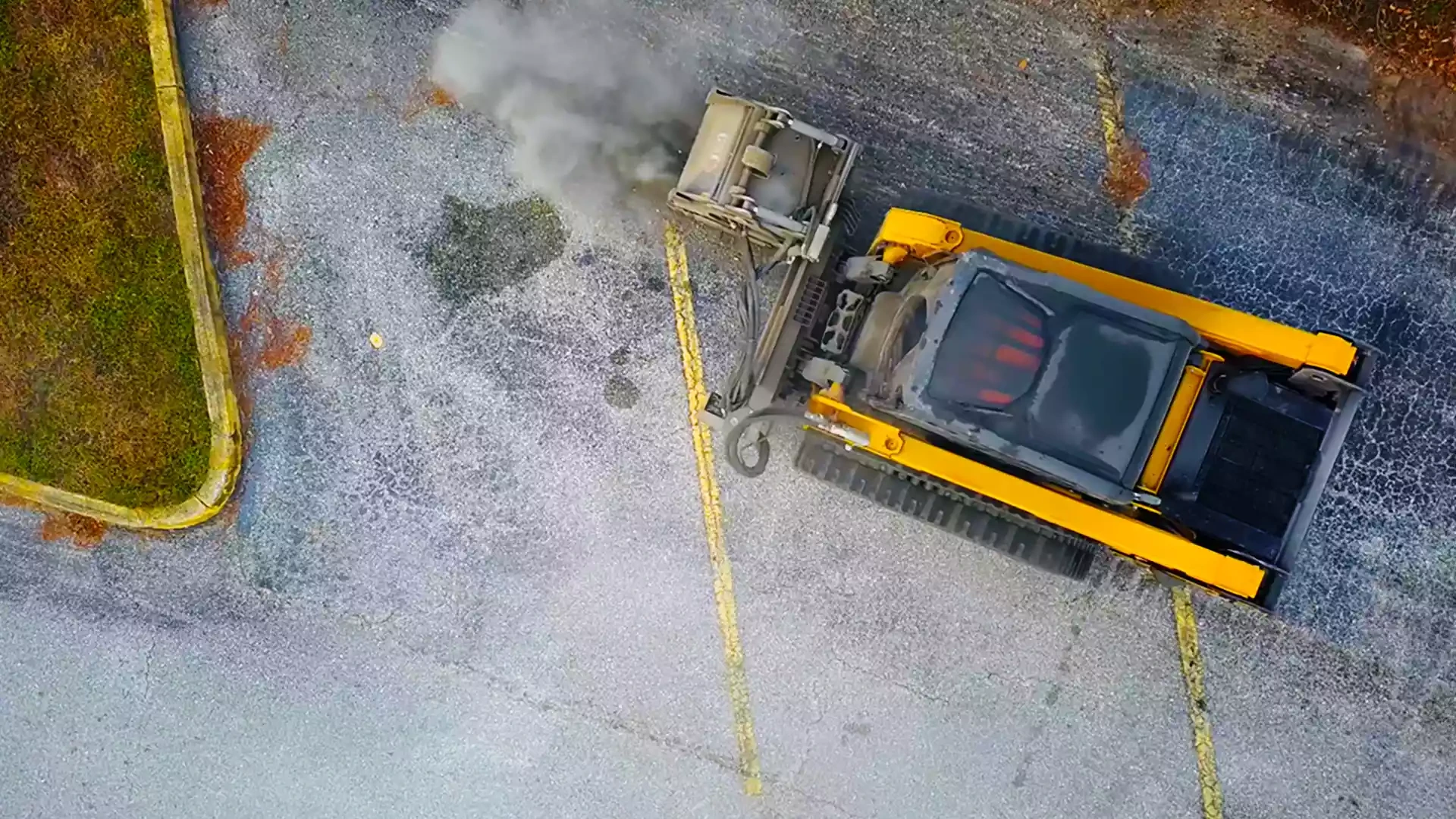
Commercial asphalt paving in Central Florida: how to plan access, drainage, and safety
Planning commercial asphalt paving in Central Florida? Learn how access, drainage, safety, traffic flow, and communication affect the project.
Admin
Jun 15, 2026 · 4 min read
Commercial asphalt paving is not only about placing a smooth new surface. For property managers, contractors, facility teams, and commercial owners, the project also has to work around the people who use the property.
Customers may still need access. Tenants may need parking. Vendors may need delivery routes. Crews need room to work safely. Water needs somewhere to go when heavy Central Florida rain moves across the pavement.
That is why good commercial paving planning starts before asphalt arrives on site.
A commercial paving project starts before the asphalt arrives
The visible paving work is only one part of the job. A reliable paving plan should also consider:
Access points.
Parking changes.
Traffic flow.
Drainage.
Surface preparation.
Milling or repair needs.
Work-zone safety.
Tenant, customer, resident, or vendor communication.
How the new asphalt ties into existing pavement, curbs, sidewalks, or entrances.
When these items are discussed early, the project is easier to manage and the final scope is clearer.
Confirm how the property needs to stay open
Many commercial sites cannot simply close everything during paving. A retail center, office property, industrial site, multifamily community, or active development may need phased access.
Before work begins, identify:
Which entrances are most important.
Which parking areas can be closed first.
Whether traffic can be redirected.
-Whether customers, residents, employees, or vendors need separate instructions.
Whether deliveries or service vehicles require special access.
Whether work should be completed in phases.
This does not mean every site can stay fully open. It means access should be part of the discussion before the project begins.
Review drainage before choosing the paving approach
Drainage is one of the most important planning details in commercial asphalt paving. If water collects in the wrong places, the property may continue to have performance issues after the surface looks improved.
Before paving, review:
Areas where water currently stands.
Low spots.
Drainage structures.
Curb lines.
Entrances and transitions.
Previous overlay buildup.
Areas where heavy traffic may have pushed or worn the surface.
Depending on the pavement condition, the right approach may involve milling, surface preparation, repair, or other work before new asphalt is placed.
Plan traffic flow for customers, tenants, vendors, and crews
Traffic flow matters on active commercial properties. A paving project may affect more than drivers. It can also affect pedestrians, carts, service vehicles, delivery trucks, and other contractors.
Useful planning questions include:
How will people enter and exit the site?
Where will vehicles be moved?
Which areas should be avoided?
How will signs, cones, or barriers guide movement?
Who will communicate updates if access changes?
Are there peak times that should be considered during planning?
Clear traffic planning helps reduce confusion while the work is underway.
Keep safety visible throughout the project
Asphalt paving involves equipment, trucks, crews, hot material, and temporary work zones. Safety should be clear to both the paving crew and the property team.
Property managers and contractors should understand:
Which areas will be closed.
Where pedestrians should not walk.
Where vehicles should not park.
Who is responsible for communicating with tenants, residents, or staff.
How questions should be routed during the work.
The goal is simple: keep people away from active work areas and give the paving team the space needed to work professionally.
Connect milling, preparation, and paving into one scope
Commercial paving often depends on what happens before the new asphalt is placed.
Surface preparation may include cleaning, milling, removing loose material, adjusting transitions, or addressing damaged areas. If the existing asphalt has uneven layers, drainage problems, or surface failure, those issues should be discussed before the final paving scope is approved.
Milling and paving should not feel like disconnected services. They should work together as part of one pavement plan.
What to discuss with your paving contractor
Before approving a commercial paving project, ask practical questions:
What areas are included in the scope?
Does the surface need milling, repair, or preparation before paving?
How will access be handled?
What drainage or transition issues should be reviewed?
What should tenants, customers, vendors, or staff know before work begins?
How will the property reopen after work is complete?
Which internal links or contact paths should the property team use for follow-up questions?
A good paving conversation should help you understand the project, not just the price.
Talk to Blacktop about your commercial paving project
Blacktop provides asphalt paving and milling services for commercial properties, HOA communities, roads, parking lots, and related infrastructure projects in Central Florida.
If your commercial property needs paving, start with the condition of the pavement, the way the site is used, and the access and drainage details that can affect the project.
Ready to start your next paving project? Our team of experts is ready to provide a reliable and affordable solution for all your milling and paving needs.
Contact Blacktop to discuss your next commercial asphalt paving or milling project.