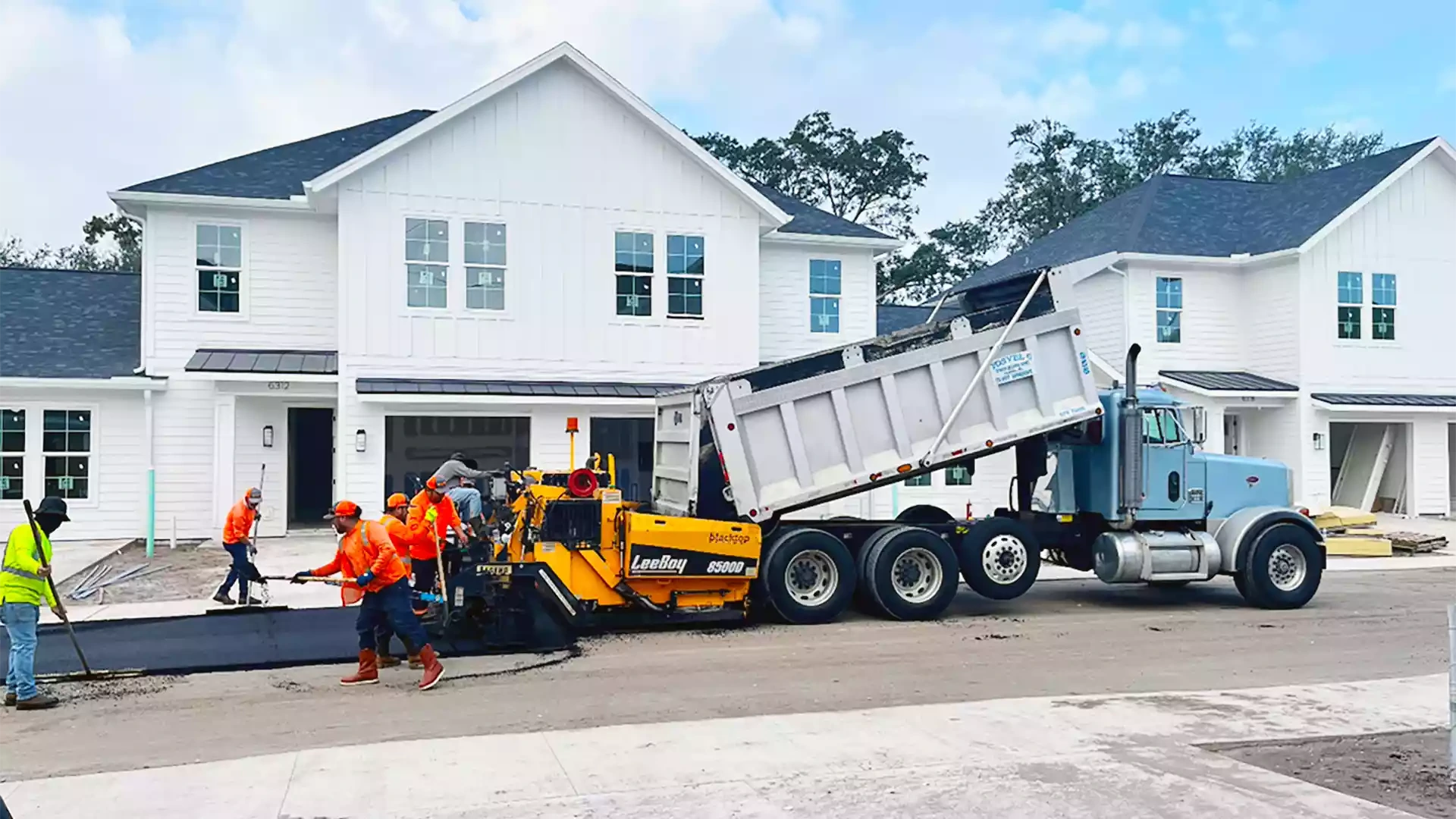
HOA asphalt paving in Central Florida: what boards should communicate before work starts
Planning HOA asphalt paving? Learn what boards and property managers should communicate about access, parking, safety, and project expectations.
Admin
Jun 17, 2026 · 4 min read
HOA asphalt paving projects require more than contractor coordination. They also require resident communication.
When a community road, shared drive lane, parking area, or entrance is being paved, residents want to know what will change, where they can park, how access will work, and what they should avoid while crews are on site.
Clear communication helps the board, property manager, residents, and paving crew stay aligned before work begins.
HOA paving affects more than the road surface
For an HOA community, paving can affect daily routines. Residents may need to move vehicles, adjust parking, avoid a certain entrance, or plan around temporary access changes.
That is why board communication should be practical and specific. It should help residents understand:
What area is being paved.
When vehicles should be moved.
Which roads, entrances, or parking areas may be affected.
How pedestrian and vehicle movement should be handled.
Who to contact with questions.
What to expect once work is complete.
The goal is not to explain every technical detail. The goal is to reduce confusion.
Explain which areas will be affected
Start with the work area.
Residents should know whether the project affects:
Community roads.
Main entrances.
Side streets.
Parking areas.
Shared drive lanes.
Mailbox or amenity access.
Clubhouse or common-area parking.
Areas near sidewalks, curbs, or drainage points.
If the project includes milling, repair, or surface preparation before paving, explain that the work may happen in steps.
Give residents clear parking and access instructions
Parking is one of the biggest sources of confusion during HOA paving.
Before work starts, communicate:
When vehicles need to be moved.
Where residents can park instead.
Which areas should remain clear.
Whether guests, service providers, or delivery drivers should use a different route.
Whether access changes will happen by phase.
If a resident leaves a vehicle in a work area, the project can become harder to manage. Clear instructions help prevent that issue before crews arrive.
Set expectations around safety and work zones
Asphalt paving involves equipment, trucks, crews, and active work zones. Residents should know that some areas may be restricted while work is underway.
The board or property manager can remind residents to:
Avoid cones, barriers, and marked work areas.
Keep children and pets away from active paving zones.
Follow posted instructions.
Avoid walking or driving on areas that are not ready for use.
Contact the property manager or board representative with questions instead of approaching crews directly.
Safety communication should be simple, visible, and repeated if needed.
Address common questions before paving day
HOA residents often ask similar questions before paving begins.
Prepare answers for:
Where should I park?
Will I be able to enter or leave the community?
Will deliveries be affected?
What if I have a service appointment?
When can vehicles return to the paved area?
Who do I contact if I have a concern?
Avoid making exact timing promises unless they have been confirmed for the specific project. A better approach is to provide practical guidance and direct residents to the official contact point for updates.
Coordinate paving with property management and vendors
HOA communities often have vendors, maintenance teams, landscapers, waste collection, delivery vehicles, and other service providers moving through the property.
Before work starts, consider whether any vendors need advance notice. This may include:
Landscaping crews.
Waste collection providers.
Delivery companies.
Maintenance teams.
Security staff.
Amenity or clubhouse vendors.
Other contractors working on site.
Vendor coordination can help reduce conflicts with the paving work.
Keep records after the project
After paving is complete, keep a simple record for future board members or property managers.
Helpful records include:
Areas paved.
Areas milled or prepared.
Photos before and after.
Drainage or access notes.
Contractor contact information.
Resident notices sent.
Follow-up recommendations.
These records can support future maintenance planning and help the next board understand what work was completed.
Talk to Blacktop about HOA paving and milling
Blacktop provides asphalt paving and milling services for HOA communities, commercial properties, roads, parking lots, and infrastructure projects in Central Florida.
If your HOA is planning paving work, start with a clear conversation about pavement condition, access, resident communication, drainage, and the right preparation for the surface.
Ready to start your next paving project? Our team of experts is ready to provide a reliable and affordable solution for all your milling and paving needs.
Contact Blacktop to discuss your next HOA asphalt paving or milling project.