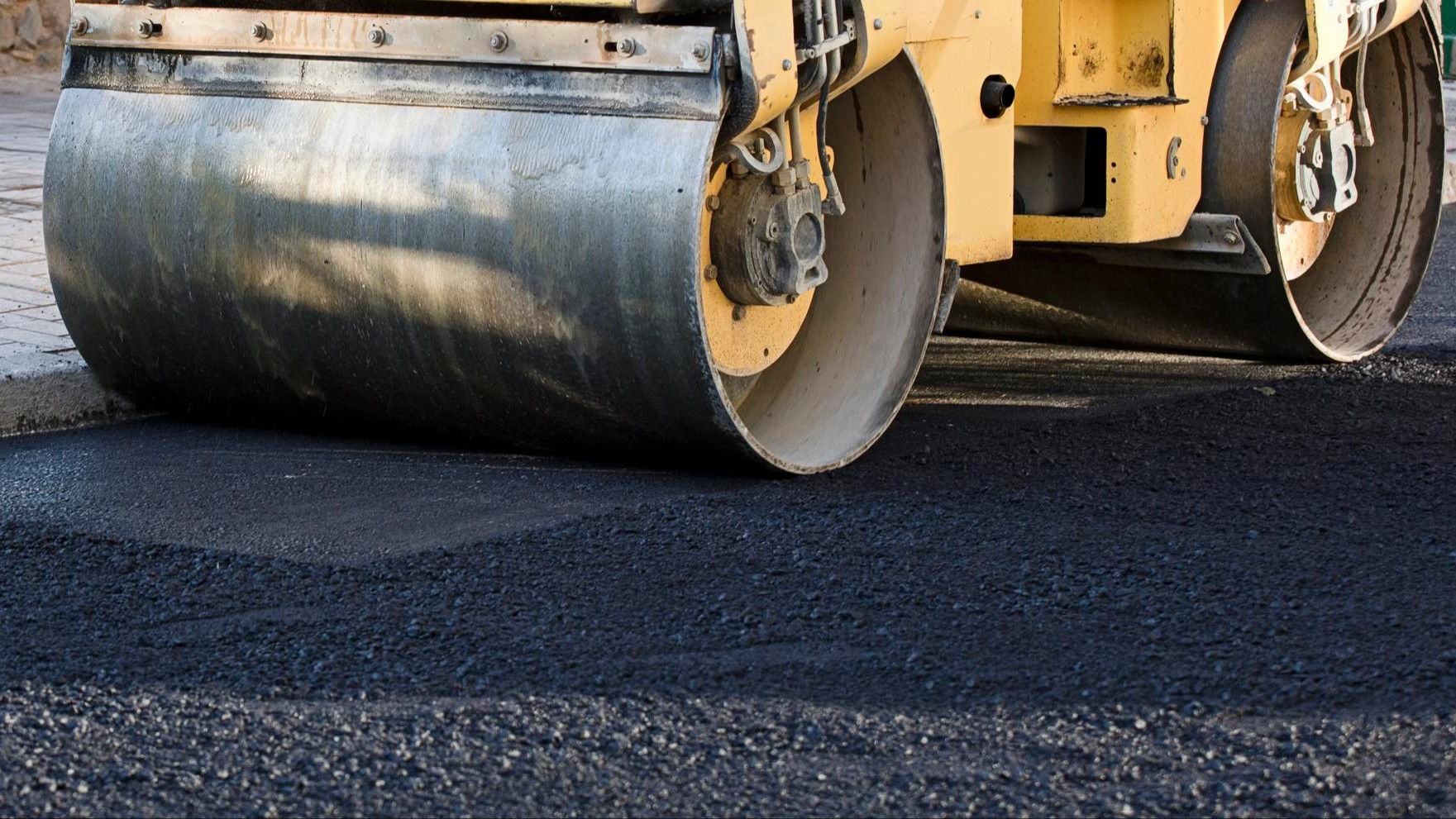
What Happens After Asphalt Milling?
Learn what happens after asphalt milling and the next steps that prepare the surface for smooth, durable paving results.
Blacktop
Feb 25, 2026 · 5 min read
You’ve seen the machines grind away the top layer of asphalt. The surface looks rough, grooved, and unfinished.
But here’s what most property owners in Central Florida don’t realize:
The real transformation begins after the milling is done
If you're planning a paving project or your property has recently been milled, understanding what happens next helps you protect your investment, avoid delays, and ensure long-term durability.
At Blacktop Florida, we specialize in asphalt paving and milling throughout Central Florida, and this is what comes after the milling process.
Why Asphalt Milling Is Only the First Step
Asphalt milling removes the damaged or worn-out top layer of pavement without disturbing the entire structure. It corrects:
Surface cracks
Minor drainage issues
Uneven areas
Oxidized or brittle asphalt
But milling alone is not the final surface. It prepares the foundation for what comes next. The next steps determine how strong, smooth, and long-lasting your pavement will be.
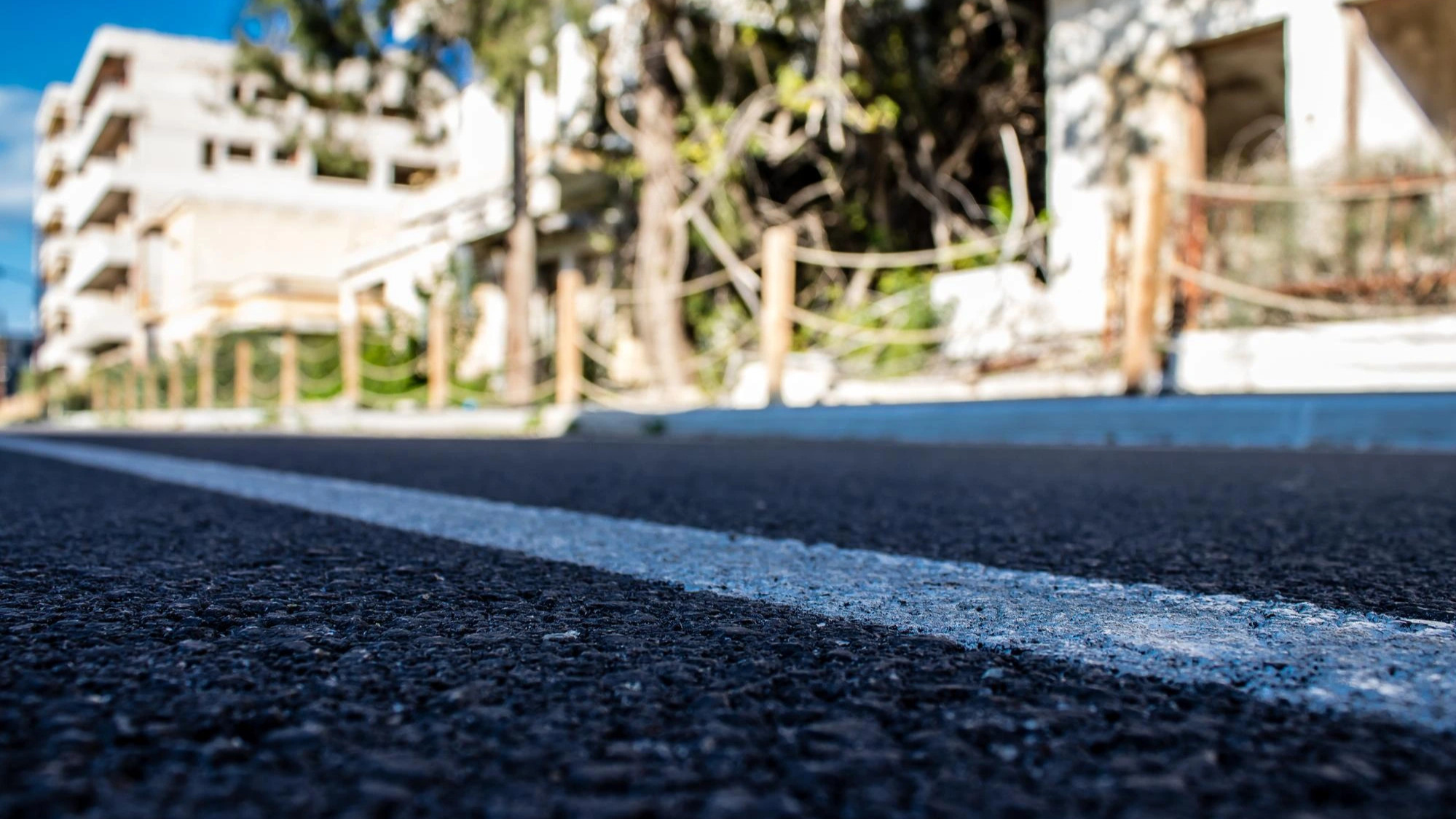
What Happens Immediately After Milling?
1. Surface Cleaning and Inspection
Once milling is complete, the surface is thoroughly cleaned. Dust, loose particles, and debris are removed to ensure proper bonding of the new asphalt layer.
This is also when professionals inspect:
The condition of the base
Any soft spots
Structural weaknesses
Drainage alignment
If any base repairs are needed, they must be addressed before paving begins. Skipping this step leads to premature failure.
2. Tack Coat Application
Before new asphalt is installed, a tack coat is applied. This is a bonding agent that allows the new asphalt layer to properly adhere to the milled surface. Without it, the layers can separate over time, causing slippage and cracking.
This step is critical for durability, especially in high-traffic commercial areas across Central Florida.
3. New Asphalt Installation
Once the surface is prepped and bonded, the new asphalt layer is installed.
This layer restores:
Smoothness
Structural integrity
Proper grading
A clean, professional appearance
The thickness of the overlay depends on traffic load and project requirements. Commercial properties typically require a different specification than residential driveways.
Precision during this stage ensures proper compaction and longevity.
How Long Can You Drive on a Milled Surface?
This is one of the most common questions property owners ask.
In many cases, milled surfaces can temporarily handle light traffic. However:
They are rough and uneven
Drainage may not function properly
Loose aggregates can create hazards
Driving on a milled surface for extended periods is not recommended unless planned and evaluated by professionals. Timely paving after milling prevents complications.
Does Milling Always Require Repaving?
In most cases, yes.
Milling is designed to prepare for resurfacing. Leaving a milled surface exposed long-term can:
Accelerate base deterioration
Create liability risks
Lead to additional repair costs
For property managers and business owners, delaying resurfacing can end up being more expensive than completing the project as scheduled.
The Benefits of Proper Post-Milling Paving
When executed correctly, the full milling-and-overlay process provides:
Extended pavement lifespan
Improved drainage performance
Smoother driving surfaces
Cost savings compared to full reconstruction
Enhanced curb appeal
In Florida’s climate, with heat, heavy rain, and constant traffic, proper sequencing after milling is essential.
What Property Owners in Central Florida Should Consider
If your parking lot, roadway, or commercial surface has been milled or is scheduled for milling, ask:
Is the base structurally sound?
Is the overlay thickness appropriate for traffic load?
Is drainage properly evaluated?
Is compaction being performed correctly?
The quality of what happens after milling determines whether your pavement lasts 5 years or 15+ years. Experience matters.
Why Blacktop Florida Handles the Entire Process
With over a decade of experience serving Central Florida, Blacktop Florida manages asphalt milling and paving as a complete system, not as isolated steps.
We evaluate structure, traffic demand, drainage, and long-term performance before installing the final surface.
Whether you manage a commercial property, HOA, industrial facility, or private roadway, we provide:
Professional inspections
Transparent project planning
Reliable timelines
Durable asphalt solutions
Final Thoughts: Milling Is Preparation, not the Finish Line
If your pavement has been milled, you’re halfway through the solution. What comes next determines the result.
A properly executed overlay restores performance, appearance, and long-term reliability, especially in high-demand Central Florida environments.
Stay Informed. Stay Prepared.
Follow our blog for weekly content, expert tips, and practical insights about asphalt paving, milling, maintenance strategies, and property protection.
And if you need urgent service, scheduled paving, resurfacing, or a professional inspection, don’t wait. Contact Blacktop Florida today and let our team help you protect your pavement investment with precision and reliability.