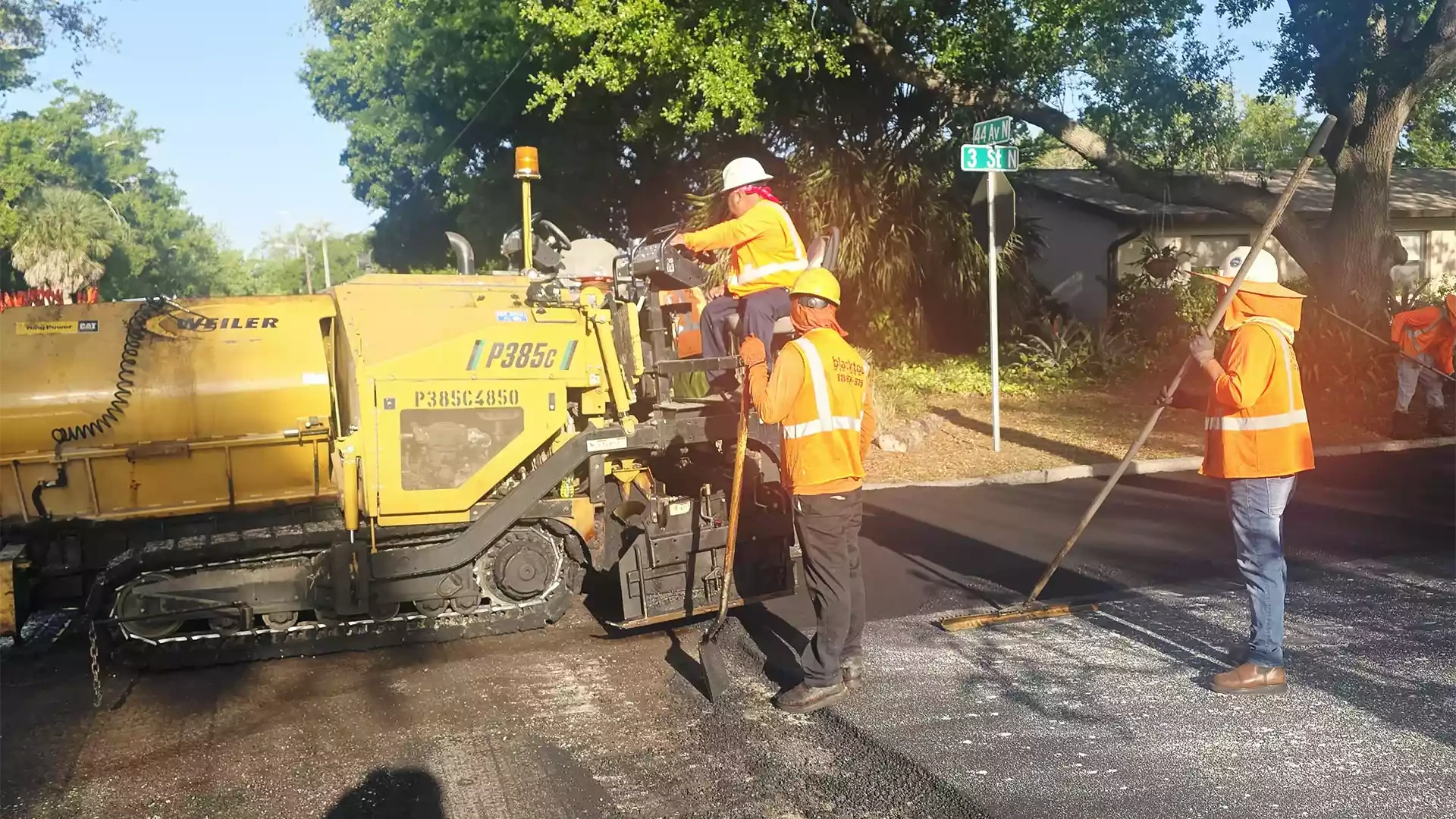
What to prepare before asphalt paving crews arrive on your Central Florida property
Before asphalt paving crews arrive, property teams should prepare access, vehicles, communication, drainage notes, work areas, and safety expectations.
Admin
Jun 22, 2026 · 4 min read
Asphalt paving day goes better when the property is ready before the crew arrives.
For commercial properties, HOA communities, parking lots, roads, and active job sites, the work is not only about the asphalt. It also depends on access, vehicles, communication, safety, drainage notes, and clear expectations for the people who use the property.
If your Central Florida property is getting ready for asphalt paving, use this guide to prepare the site before equipment and crews arrive.
A smoother paving day starts with the site ready
Paving crews need room to work. Trucks need access. Property users need to understand where they can and cannot go. The project team needs a clear point of contact if questions come up.
When these details are handled early, the paving work is easier to coordinate.
Before paving day, focus on:
Work area access.
Vehicle movement.
Resident, tenant, customer, or staff notices.
Vendor and delivery coordination.
Safety around active work zones.
Drainage or surface concerns.
Reopening guidance after work is complete.
This planning helps reduce avoidable confusion.
Clear the work area before equipment arrives
Vehicles, stored materials, carts, cones, dumpsters, and other items can get in the way of paving work.
Before crews arrive, confirm which areas need to be clear:
Parking stalls.
Drive lanes.
Entrances and exits.
Community roads.
Loading areas.
Service routes.
Work zones near sidewalks, curbs, or drainage structures.
If the work area is not clear, crews may need to pause while the property team moves vehicles or materials. A simple reminder before paving day can help prevent that.
Confirm access for crews, trucks, and property users
Asphalt paving requires equipment, trucks, crew movement, and space to place and compact material. At the same time, many properties still need controlled access for residents, tenants, customers, vendors, or other contractors.
Before work starts, ask:
Which entrance should crews use?
Which areas will be closed?
Can any areas remain open?
Will access need to be phased?
Where should vehicles park during the work?
Are there deliveries, service vehicles, or vendors to coordinate?
Who will answer access questions during the project?
Access planning is especially important for active commercial sites, HOA communities, multifamily properties, and construction environments.
Share clear instructions with residents, tenants, customers, or staff
Most paving-day frustration comes from people not knowing what to expect.
Before work begins, share practical information:
What area will be paved.
When vehicles need to be moved.
Which entrances or parking areas may be affected.
Where people should avoid walking or driving.
Who to contact with questions.
Whether vendors or delivery teams need special instructions.
Keep the message clear and direct. People do not need every technical detail, but they do need to know how the work affects their day.
Identify drainage and surface concerns before work begins
If water collects in certain areas, if previous asphalt layers created uneven transitions, or if parts of the pavement are visibly failing, those concerns should be discussed before paving begins.
Useful items to flag include:
Low spots.
Standing water.
Soft or damaged areas.
Drainage structures.
Curbs and sidewalks.
Entrances and tie-ins.
Areas with heavy vehicle traffic.
This helps connect the paving work to the actual condition of the property.
Review safety expectations around the work zone
Asphalt paving involves active equipment, trucks, workers, and hot material. Property teams should help keep people away from work areas while crews complete the job.
Before work begins, make sure everyone understands:
Which areas are restricted.
Where cones, signs, or barriers may be placed.
How pedestrians should move around the site.
Where vehicles should not park.
Who should communicate with the paving crew.
Safety communication should be simple and visible.
Prepare for the next steps after paving
After paving is complete, the property may still need guidance before returning to normal use.
Ask the paving team:
When can vehicles return to the paved area?
Should heavy vehicles avoid the area for a period of time?
Are there areas that need striping, signage, or follow-up work?
Who should the property team contact if questions come up?
Follow the guidance for the specific project rather than assuming every paved area can return to full use immediately.
Talk to Blacktop before your next paving project
Blacktop provides asphalt paving and milling services for commercial properties, HOA communities, roads, parking lots, and infrastructure projects in Central Florida.
If you are preparing for paving work, start with the practical details: access, communication, surface condition, safety, drainage, and how the property needs to function during the project.
Ready to start your next paving project? Our team of experts is ready to provide a reliable and affordable solution for all your milling and paving needs.
Contact Blacktop to discuss your next asphalt paving or milling project.