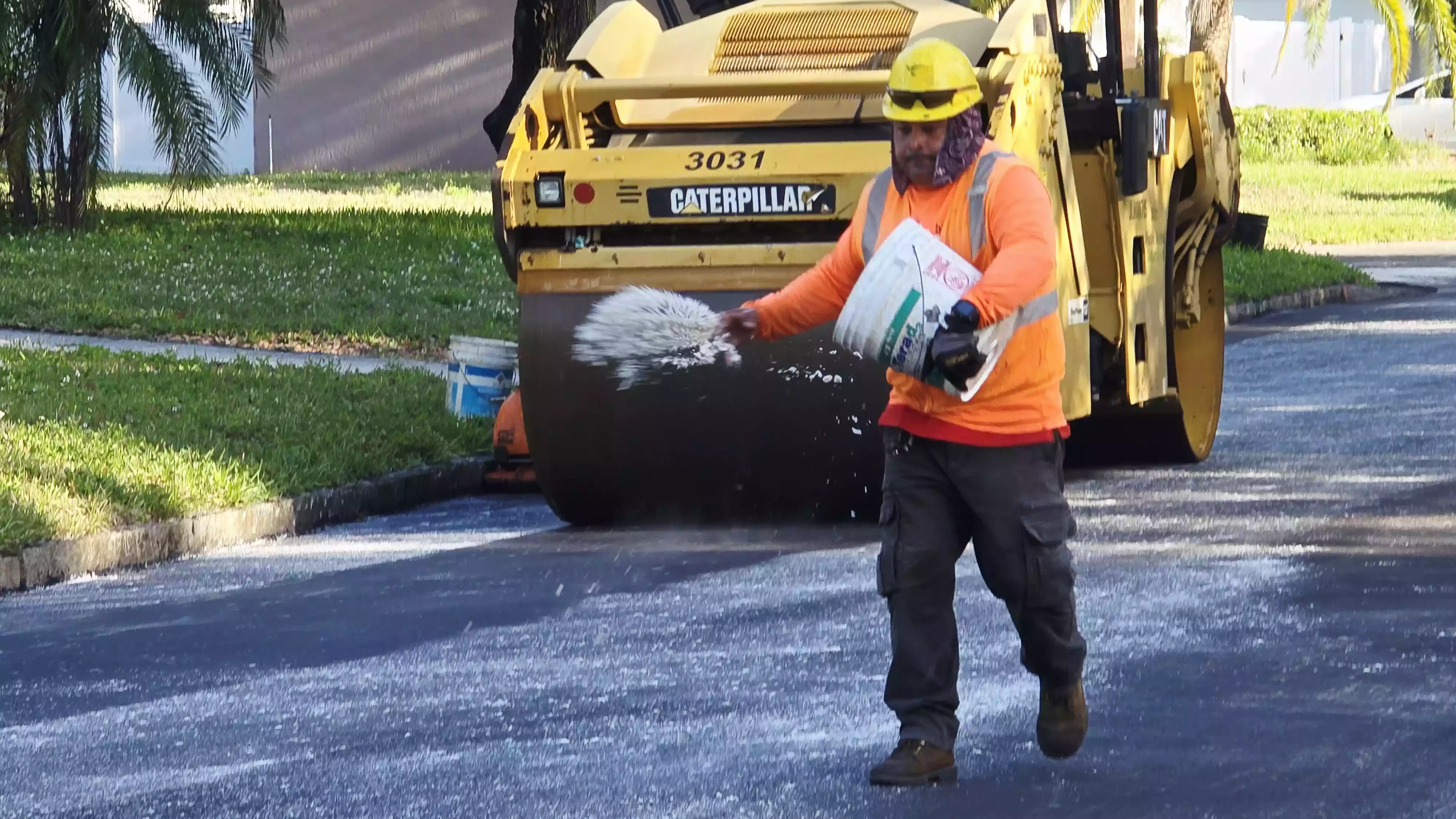
Why asphalt surface preparation matters for long-lasting pavement in central Florida
Surface preparation affects asphalt durability, drainage, cost, and long-term performance. Learn why paving success starts before new asphalt is placed.
Admin
May 29, 2026 · 5 min read
Fresh asphalt can make a parking lot, roadway, or community street look new almost immediately. But the visible surface is only part of the project.
The long-term result depends heavily on what happens before the new asphalt is placed.
For commercial properties, HOA communities, contractors, municipal work, industrial sites, and parking lots in Central Florida, surface preparation can affect durability, drainage, safety, budget, and future maintenance needs. A smooth final surface starts with a clear understanding of the pavement condition underneath.
Good paving starts before new asphalt is placed
Many property owners notice the surface problem first: cracking, rough areas, potholes, standing water, uneven transitions, or pavement that simply looks worn out.
Those visible issues matter, but they do not always tell the full story.
Before a paving plan is selected, the existing surface should be reviewed for the conditions that could affect the next layer of asphalt. A property may need simple surface preparation before paving. Another property may need asphalt milling, base attention, drainage correction, or a different repair approach before new asphalt makes sense.
That is why more useful paving conversations do not begin with only one question: "How much will it cost?"
They begin with a better question: "What does this pavement actually need?"
What asphalt surface preparation really means
Asphalt surface preparation is the work done before new asphalt is placed. The goal is to create the right conditions for a smoother, stronger, and more reliable paving result.
Preparation can include cleaning, evaluating, milling, correcting transitions, addressing drainage concerns, compacting, and making sure the surface is ready to receive new material.
The exact process depends on the property, the pavement condition, the project type, and how the surface is used.
Cleaning and evaluating the existing surface
Loose material, debris, failed patches, broken asphalt, and surface contamination can affect the way new asphalt bonds and performs.
For commercial and HOA properties, this step is especially important because paved areas often carry daily traffic, parked vehicles, deliveries, service vehicles, and pedestrian movement. A clean and properly evaluated surface helps the crew understand where the pavement is still serviceable and where deeper work may be needed.
This is also where planning becomes important. Crews may need to account for resident access, tenant traffic, customer parking, service vehicles, or business operations before work begins.
Addressing drainage, elevation, and weak areas
In Central Florida, water management is a major paving concern. Standing water can contribute to surface wear, safety concerns, and long-term pavement problems.
If water already sits in low areas, placing new asphalt without addressing the cause may only cover the issue temporarily. The same is true for elevation problems near curbs, sidewalks, drainage structures, entrances, or existing pavement transitions.
Good preparation helps identify these issues before the final paving layer is installed.
Milling when the existing surface needs more than An overlay
An overlay may be appropriate for some surfaces, but it is not always the right answer.
Asphalt milling removes a controlled layer of existing pavement. Milling can help create proper elevation, remove damaged material, improve transitions, and prepare the surface for new asphalt. It can be especially important when the existing pavement is too high, too uneven, or too damaged for a simple overlay.
For buyers who are unsure whether they need milling, paving, overlay, or repair, this is where a practical contractor evaluation matters.
Why preparation affects durability
Durability is not created by the top layer alone.
The finished asphalt depends on the condition of the surface below it, how the material is placed, how it is compacted, and whether drainage and elevation have been considered. If the underlying problems remain, they can continue affecting the pavement after the project is finished.
Proper preparation can support:
Better surface consistency
Cleaner transitions
Improved drainage planning
Reduced risk of repeating the same visible problems
Stronger long-term performance
A more professional finished appearance
Preparation does not mean every project needs the most intensive option. It means the project should be matched to the actual pavement condition.
How poor preparation can cost more later
Skipping preparation can look cheaper at the beginning, but it may create larger costs later.
If damaged areas are covered without addressing the reason they failed, the same issues may return. If elevation is ignored, transitions can become rough or impractical. If drainage is not considered, water may continue to sit where it should move away.
For a commercial property, these issues can affect more than appearance. They can affect traffic flow, customer experience, tenant satisfaction, deliveries, maintenance planning, and safety concerns.
For an HOA community, they can affect resident access, parking, communication, and long-term community maintenance.
For contractors and municipal stakeholders, preparation can affect schedule confidence, project quality, and the ability to deliver a reliable finished surface.
What property managers and contractors should ask before paving
Before approving a paving project, ask practical questions:
What is the current condition of the pavement?
Are there drainage or standing water concerns?
Are there elevation issues near curbs, sidewalks, entrances, or existing pavement?
Does the surface need milling before paving?
Are there failed patches, potholes, or weak areas that need attention?
How will access, parking, or operations be managed during the work?
What is the recommended solution and why?
These questions help move the conversation away from a one-size-fits-all quote and toward a paving plan that fits the property.
When to talk to a paving and milling team
If your pavement looks worn, uneven, cracked, or unreliable, it may be time to review the surface before the problem becomes more expensive to manage.
Blacktop works with commercial properties, HOA communities, contractors, and roadway needs across Central Florida. The goal is to help buyers understand whether paving, milling, overlay, repair, or a more complete pavement solution makes sense for the property.
Ready to start your next paving project? Our team of experts is ready to provide a reliable and affordable solution for all your milling and paving needs.